
Best Electric Scooters
A practical scooter guide based on Mike's hands-on testing, focused on speed, range, ride quality, hills, and the tradeoffs that matter before you buy.
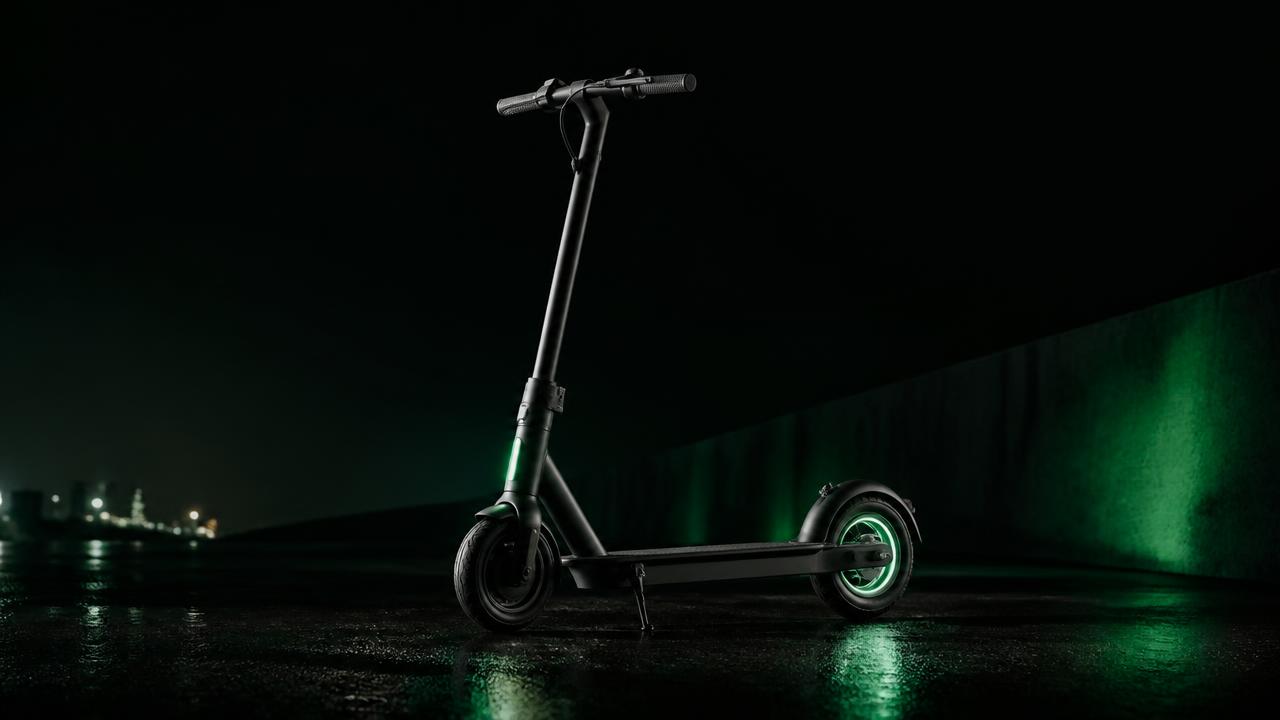
I've tested electric scooters across everything from flat neighborhood runs to steep climbs, hard braking, rough pavement, and full-throttle range checks. The best scooter is not just the fastest one on paper. It is the one that fits your roads, your comfort level, your budget, and how much maintenance you are willing to tolerate.
For most buyers, I look first at stability, braking, tire setup, range under real riding, and whether the scooter still feels controlled when the battery drops. Big motors and big numbers can be fun, but they also bring weight, cost, and a very different safety profile.
Best High-Speed Scooter
Best for raw performance: JL86 Pro
The JL86 Pro is the scooter I would point riders toward when outright speed and road stability are the top priorities. In my testing, I pushed it past 45 mph and it still felt surprisingly planted, helped by massive 4-inch tires and a lighting package that makes it feel more like a small electric vehicle than a casual commuter scooter.
The acceleration is not subtle. It got me to 35 mph in a single city block, and I was able to rack up just over 20 hard-ridden miles while averaging 35 mph with meaningful elevation gain. The tradeoffs are equally real: the thumb throttle feels cheaper than the rest of the build, the blinker switch takes getting used to, and a battery this large really deserves better charging-port execution.
Best Budget Commuter
Best flat-ground value: Gotrax G4 Electric Scooter
The Gotrax G4 is the scooter I would consider for a buyer who wants dependable transportation without jumping into the high-power category. It held 19 mph on flat ground even when the battery was down to a single bar, and the built-in cable lock plus PIN startup are practical features for everyday use.
The solid tires are a major maintenance advantage because flats become one less thing to worry about. The downside is comfort: solid tires pass more vibration into the deck and handlebars, especially on cracked pavement. It also struggled badly on a 13-percent grade, so I would not buy this if your normal route includes serious hills.
How I would choose
If your rides are mostly flat, short, and practical, I would prioritize the Gotrax G4 style of scooter: controlled speed, simple ownership, and fewer maintenance headaches. If you are chasing performance, the JL86 Pro is in a different class, but you need the space, experience, and protective gear to treat it responsibly.
The biggest mistake I see buyers make is shopping by top speed alone. A scooter that feels stable, brakes confidently, and fits your actual terrain will be better than a spec-sheet monster that is exhausting or intimidating to ride every day.
FAQ
- What should I look for first in an electric scooter?
- Start with your terrain, speed comfort, braking confidence, tire type, and realistic range. A scooter that fits your route is more important than the highest top speed.
- Are solid tires better than pneumatic tires?
- Solid tires avoid flats, but they usually ride harsher on rough pavement. Pneumatic tires are typically more comfortable but require more maintenance.
- Is a 45 mph scooter a good commuter?
- Only for experienced riders with the right roads and protective gear. High-speed scooters can be exciting, but they are heavier, more expensive, and less casual than standard commuter models.
- Do budget scooters handle hills well?
- Not always. In my testing, budget scooters can be fine on flat ground but may struggle badly on steep grades, so hill performance should be a key buying factor.