
Best Robot Lawn Mowers
A hands-on robot lawn mower guide covering boundary-free mowing, steep yards, large lawns, thick weeds, and where premium machines justify the cost.
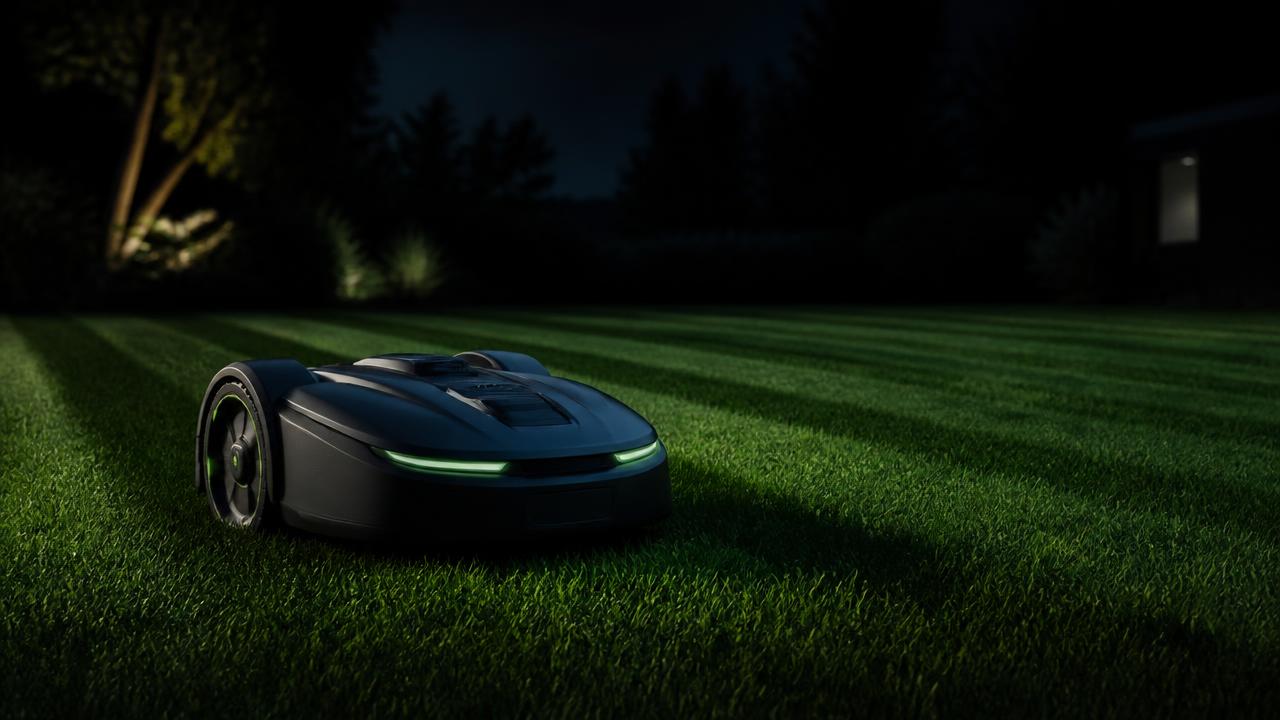
Robot lawn mowers have moved far beyond the old boundary-wire conversation. The models I pay attention to now are solving real yard problems: steep grades, rough turf, thick weeds, complex mapping, and whether the mower can work without turning setup into a weekend project.
When I test these machines, I care less about a clean spec sheet and more about what happens when the yard gets awkward. Can it climb? Can it see? Does it avoid obstacles? Does it mow enough width to matter? And does the cutting system fit the kind of grass or weeds you actually have?
Best for extreme yards
Best heavy-duty workhorse: Yarbo M Series
The Yarbo M Series is the mower I would look at first for a large, uneven, difficult property. The tank-track design is not a gimmick in my testing. It bulldozed through tough areas and climbed massive grades without slipping, which immediately separates it from lightweight wheeled mowers built for flatter suburban lawns.
The other reason Yarbo stands out is its modular platform. It can pull a wagon, plow snow, blow leaves, and handle trimming-style duties, so it starts to feel less like a mower and more like a robotic yard machine. The tradeoff is obvious: if you have a small, flat yard, this is probably too much machine.
Best premium tracked mower: Yarbo M Series Robot Mower
In the robot mower configuration, the Yarbo justified its premium positioning with a 70-percent grade climb, dual 300W motors, 3D LiDAR, and AI cameras that navigated dark areas, trees, and obstacles without forcing me through a traditional manual mapping process.
At around $5,000 for the base kit, this is a serious landscaping investment. I would only push someone here if the yard is big, steep, rough, or complicated enough that cheaper mowers are likely to frustrate them.
Best mapping approach
Best for signal simplicity: WORX Cloud Vision
The WORX Cloud Vision stood out because its navigation brain is built into the mower rather than relying on the traditional external yard pole setup. In practice, that helped eliminate signal lag and structural interference from cars and houses.
If you have had concerns about RTK placement, signal dropouts, or awkward yard geometry, this is the kind of design I would pay attention to. It is not about adding complexity. It is about removing one of the most frustrating parts of robot mower ownership.
Best for wide-area mowing
Best for larger suburban lawns: Sunseeker Robot Mower
The Sunseeker makes sense when your problem is not a cliff-like hill but simply a lot of grass. Its 14-inch cutting width and dual-blade system reduce the endless dock-and-mow cycle that smaller units can fall into on bigger lawns.
For a quarter-acre yard, that wider deck matters. For a small urban yard, it is probably overkill. That is the key decision with robot mowers: buy for the actual lawn, not the most impressive feature list.
How I would choose
If your yard is steep, rugged, or full of weeds, I would start with Yarbo. If mapping reliability is your biggest concern, WORX Cloud Vision is the more interesting direction. If you have a fairly normal but larger lawn, Sunseeker's wider cutting deck may be the practical win.
The right robot mower is the one that solves your yard's specific pain point. That could be slope, coverage, setup, or cutting width. Decide that first, then shop the machine.
FAQ
- Do robot lawn mowers work on steep hills?
- Some do, but slope capability varies a lot. In my testing, tracked designs like Yarbo handled extreme grades far better than typical lightweight wheeled mowers.
- Do I still need a boundary wire?
- Many newer premium mowers avoid traditional boundary wires by using RTK, LiDAR, cameras, or onboard mapping systems. Setup depends heavily on the specific model.
- Is a robot mower worth it for a small yard?
- It can be, but premium tracked machines are usually overkill for small, flat lawns. Smaller yards benefit more from simple setup and reliable navigation than raw power.
- What matters most in a robot lawn mower?
- Match the mower to your yard: slope handling, cutting width, mapping reliability, obstacle avoidance, and whether the cutting system can handle your grass conditions.